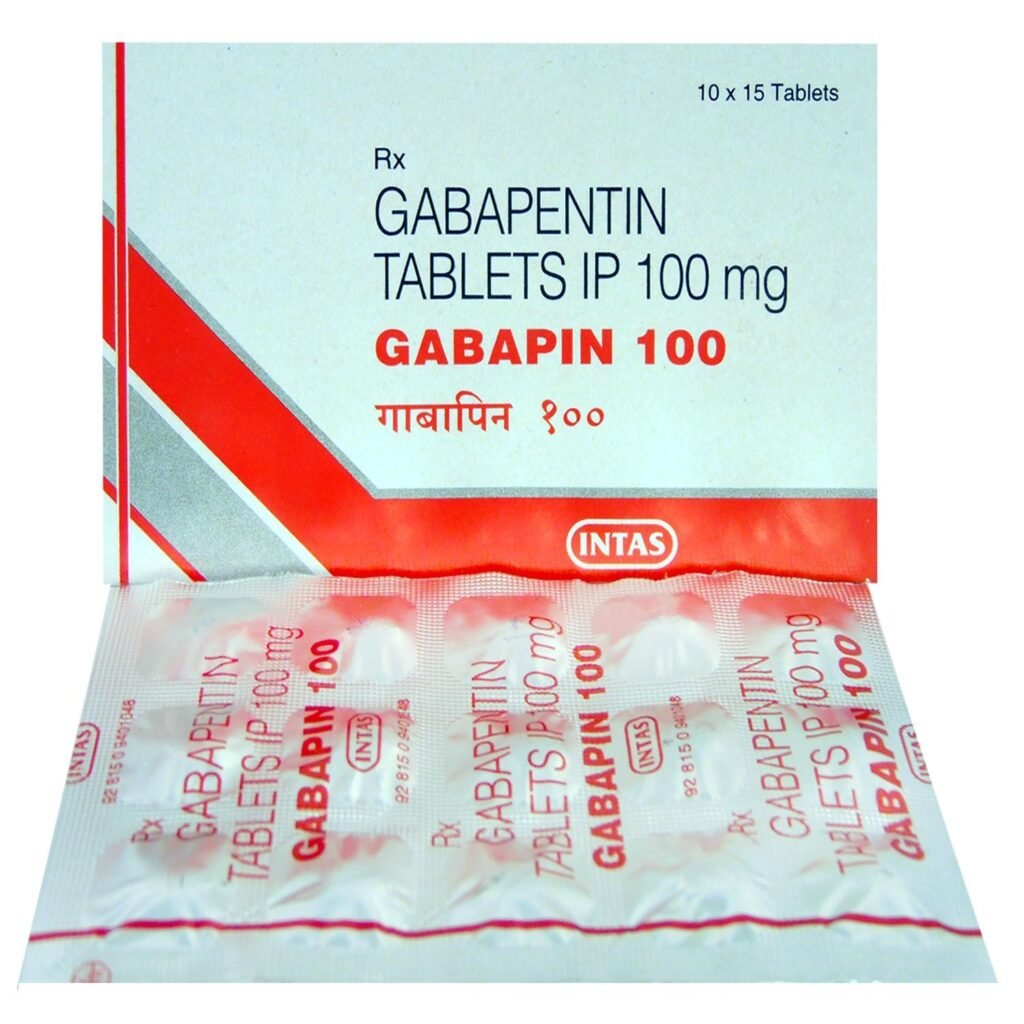
Gabapentin: Understanding Its Role in Nerve Pain Support, Neurological Care, and Modern Treatment Strategies
Introduction
Managing chronic pain and neurological conditions often requires more than traditional treatment approaches. While standard pain relievers may help in some situations, certain types of discomfort—especially nerve-related pain—often require a more specialized strategy. This is where medications like
Gabapentin have become an important part of modern medical care.
Recognized for its role in neurological treatment settings, Gabapentin has gained significant attention for its use in managing nerve-related symptoms and supporting individualized treatment plans. As awareness around chronic pain and neurological health continues to grow, many people want to better understand how Gabapentin works, when it may be considered, and what responsible use involves.
Whether you are researching treatment-related information or looking to understand why this medication remains widely discussed, this article explores what Gabapentin is, how it works, potential benefits, and important considerations surrounding safe use.
What Is Gabapentin and How Does It Work?
Gabapentin is a prescription medication commonly associated with neurological treatment and nerve-related symptom management. Although often discussed in the context of pain support, it works differently from traditional pain relievers.
Unlike medications that primarily target inflammation or act directly as standard analgesics, Gabapentin influences nerve signaling.
It is believed to affect how certain nerve signals are transmitted in the nervous system, helping regulate abnormal signaling activity that may contribute to discomfort or neurological symptoms.
This mechanism is what gives Gabapentin its distinct clinical role.
Because nerve-related conditions often involve more complex pathways than ordinary pain, treatments designed to address signaling activity can be especially relevant.
Common Clinical Contexts Associated With Gabapentin
Depending on professional evaluation,
Gabapentin may be considered in several treatment contexts.
Nerve-Related Pain Management
One of the most recognized associations involves certain forms of nerve-related discomfort.
This type of pain often differs significantly from pain caused by inflammation or injury.
That distinction is part of why specialized treatment approaches may be considered.
Neurological Treatment Settings
Gabapentin has also been recognized in broader neurological care discussions.
Its clinical use depends on the specific condition being addressed and professional guidance.
Support Within Individualized Treatment Plans
In many cases, medications are not viewed in isolation.
Instead, they may be considered as part of a broader, individualized care strategy.
Potential Benefits of Gabapentin in Appropriate Treatment Settings
When used appropriately and under professional supervision,
Gabapentin may offer several potential benefits.
Support for Nerve-Related Symptom Relief
One of the primary reasons Gabapentin remains widely recognized is its role in discussions involving nerve-related discomfort.
When symptoms are better managed, individuals may experience:
- Improved comfort
- Better mobility
- Reduced symptom disruption
- Enhanced daily function
Managing symptoms effectively can have a major impact on quality of life.
Support for Long-Term Management Strategies
Some health concerns require more than short-term solutions.
Long-term symptom management often depends on structured treatment planning.
In those settings, treatment approaches may focus on supporting consistency and stability over time.
Potential Improvements in Daily Function
When symptoms interfere less with everyday life, people may find it easier to:
- Maintain productivity
- Stay active
- Participate in daily routines
- Focus on broader wellness goals
Improved function is often a central treatment objective.
Established Role in Modern Care Discussions
Another reason Gabapentin continues to attract attention is its recognized place in modern treatment discussions involving neurological care.
Its established use has contributed to continued interest among both clinicians and patients.
Responsible Use and Important Considerations
While
Gabapentin may offer benefits in appropriate settings, responsible use remains essential.
As with any prescription medication, informed decision-making matters.
Use Only as Prescribed
Dose, frequency, and treatment duration all matter.
Using medication outside prescribed guidance may increase risks.
Professional oversight is important.
Understand Potential Side Effects
Possible side effects may include:
- Drowsiness
- Dizziness
- Fatigue
- Reduced coordination
- Changes in alertness for some individuals
Responses vary.
Monitoring effects and maintaining communication with a healthcare provider are important.
Who May Discuss Gabapentin With a Healthcare Professional?
Medication decisions always depend on individual circumstances.
However, some people may discuss
Gabapentin with a qualified clinician in certain situations.
Individuals Experiencing Nerve-Related Symptoms
When symptoms suggest nerve involvement, professional evaluation may help identify appropriate treatment options.
Medication may or may not be part of that plan.
People Exploring Structured Symptom Management Options
Some individuals may want to better understand what treatment approaches exist within a legitimate medical framework.
Professional guidance helps clarify next steps.
Individuals Seeking Improved Function and Symptom Control
When symptoms significantly affect comfort, movement, or daily performance, broader evaluation may be appropriate.
Gabapentin and a Broader Wellness Strategy
One of the most important perspectives in modern care is recognizing that medication often works best as part of a broader plan.
Even when
Gabapentin is part of discussion, other strategies may also matter.
Physical Support Strategies
Depending on the condition, supportive approaches may include:
- Physical therapy
- Guided exercise
- Mobility support strategies
- Ergonomic improvements
These may complement broader treatment planning.
Sleep Quality and Recovery
Chronic discomfort can affect sleep.
Poor sleep can also worsen symptom burden.
Supporting sleep quality may contribute to broader well-being.
Stress Management
Stress can influence how symptoms are experienced.
Approaches such as:
- Relaxation techniques
- Mindfulness practices
- Structured stress reduction
may support resilience.
Ongoing Medical Review
Needs can change over time.
Regular reassessment helps ensure treatment remains aligned with current goals.
Common Questions About Gabapentin
Is Gabapentin a Traditional Painkiller?
It is often discussed differently from conventional pain relievers because of how it relates to nerve signaling.
Treatment understanding should always come through professional guidance.
Is It Intended for Every Type of Pain?
Not necessarily.
Different types of pain may require different approaches.
Professional evaluation helps determine appropriate care.
Is Medical Guidance Important?
Yes.
Because treatment decisions involve safety and individualized considerations, professional oversight is essential.
Why Informed Decision-Making Matters
Understanding a medication means understanding more than its name.
It means understanding:
- Why it may be considered
- What potential benefits exist
- What precautions matter
- How it fits into broader health strategies
This informed approach supports better decisions.
For many people, the best outcomes come from combining sound medical guidance with supportive daily habits, long-term wellness strategies, and individualized care planning.