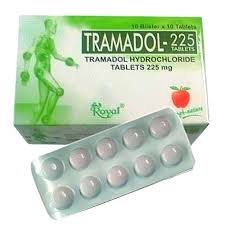
Tramadol 225mg: Understanding High-Strength Pain Management, Benefits, and Safe Use
Chronic and severe pain can affect every aspect of life, from mobility and productivity to sleep quality and emotional well-being. For people managing persistent pain conditions, finding a treatment option that balances effectiveness with responsible use is essential. Among the medications used in structured pain management plans,
Tramadol 225mg is often discussed in the context of extended pain control and individualized treatment strategies.
Because dosage strength matters significantly in pain therapy, understanding how higher-strength formulations fit into a broader treatment approach is important. Rather than viewing medication as a standalone solution, patients and healthcare providers often consider factors such as symptom severity, treatment history, and long-term goals when evaluating options.
This article explores what Tramadol 225mg is, how it works, potential benefits in pain management, and the important considerations surrounding safe, informed use. Whether you are researching treatment options or seeking a better understanding of pain relief strategies, this guide offers a practical and professional overview.
What Is Tramadol 225mg and How Does It Work?
Tramadol 225mg refers to a higher-strength dosage commonly associated with controlled or extended-release pain management approaches. Tramadol itself is a centrally acting analgesic used to help manage moderate to moderately severe pain, particularly when other therapies may not provide sufficient relief.
What makes Tramadol unique is its dual-action mechanism.
First, it interacts with opioid receptors in the central nervous system. This helps reduce how pain signals are perceived by the brain.
Second, it influences neurotransmitters such as serotonin and norepinephrine, both of which play a role in pain regulation. This additional mechanism distinguishes Tramadol from some conventional pain medications and contributes to its broader therapeutic value.
Higher-strength doses may be considered in cases where lower doses have been evaluated and adjusted over time under medical supervision. In some treatment plans, extended-release formulations are designed to provide longer-lasting symptom control, which may be beneficial for individuals managing ongoing pain rather than short-term acute discomfort.
Conditions where Tramadol may be considered as part of a treatment strategy can include:
- Chronic musculoskeletal pain
- Persistent back or joint pain
- Neuropathic pain in some cases
- Pain associated with injury recovery
- Certain long-term pain management programs directed by a physician
Importantly, dose selection is highly individualized. What works for one patient may not be appropriate for another. This is why healthcare guidance plays a critical role in determining whether a higher-strength approach is suitable.
Potential Benefits of Tramadol 225mg in Pain Management
For individuals with persistent symptoms,
Tramadol 225mg may be discussed as part of a broader pain management strategy due to several potential benefits.
Sustained Pain Control
One of the primary advantages associated with higher-strength or extended-release approaches is the possibility of more consistent pain relief.
Instead of experiencing cycles of pain returning between doses, some patients may benefit from steadier symptom control throughout the day.
This consistency can support improved comfort and help reduce disruptions to daily routines.
Improved Daily Function
Pain often limits movement, concentration, and productivity.
When symptoms are managed more effectively, people may find it easier to engage in work responsibilities, physical activity, family life, and other routine tasks.
Restoring function is often a major goal in pain treatment—not simply reducing discomfort.
Support for Long-Term Treatment Plans
Chronic pain frequently requires structured, long-term management.
In some cases, medications are only one part of a broader strategy that may also include:
- Physical therapy
- Lifestyle adjustments
- Exercise programs
- Sleep improvement strategies
- Behavioral support techniques
When integrated thoughtfully, medication may complement these other approaches.
Potential Reduction in Frequent Redosing
For certain treatment models, longer-acting dosing strategies may reduce the need for repeated administration during the day.
That may improve convenience and support adherence to a prescribed treatment plan.
Personalized Pain Relief Approach
Pain is not one-size-fits-all.
Individualized treatment matters.
For some patients, lower doses may be sufficient.
For others, a different approach may be needed after careful evaluation.
This personalization is one reason pain management has increasingly moved toward tailored treatment planning.
Important Safety Considerations and Responsible Use
While
Tramadol 225mg may have a role in pain management, safety considerations are essential.
As with any medication affecting the central nervous system, responsible use matters.
Use Only as Directed
Dosage should always follow a licensed healthcare provider’s instructions.
Taking more than prescribed does not necessarily improve outcomes and may increase risks.
Dose changes should never be made independently.
Understand Possible Side Effects
Like many pain medications, Tramadol may be associated with side effects, which can vary by individual.
Possible effects may include:
- Dizziness
- Drowsiness
- Nausea
- Constipation
- Dry mouth
- Headache
Some individuals may experience fewer effects than others.
Monitoring response and communicating with a healthcare provider is important.
Living with persistent pain can be physically exhausting and emotionally challenging, which is why informed treatment decisions matter.
Tramadol 225mg may be part of discussions around higher-strength or extended pain management approaches for certain individuals, particularly when guided by a structured treatment plan.
Its dual-action mechanism, potential for sustained symptom control, and role in personalized pain management make it a topic worth understanding.
At the same time, safe use, proper medical oversight, and integration with broader pain management strategies remain essential.
The most effective pain care often combines informed medication decisions with lifestyle support, rehabilitation, and ongoing clinical guidance.