
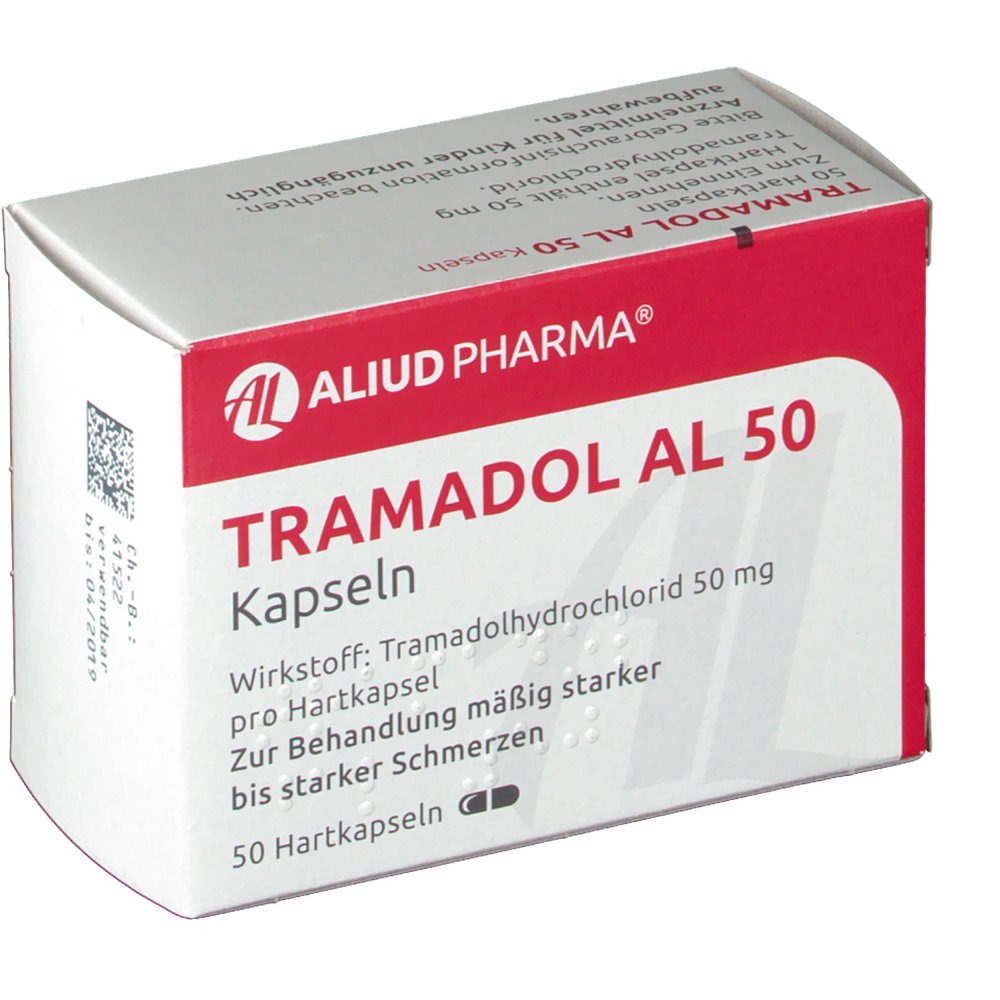

Pain is one of the most common health concerns affecting people worldwide. Whether it stems from injury, surgery, or chronic conditions, managing pain effectively is essential for maintaining a good quality of life. While mild discomfort can often be treated with over-the-counter medications, moderate to severe pain may require stronger solutions. One such option frequently prescribed by healthcare professionals is Tramadol 100mg.
Known for its balanced approach to pain relief, Tramadol 100mg is widely used to manage various types of acute and chronic pain. It offers a reliable alternative for individuals who need more than standard analgesics but want to avoid stronger opioids. This article explores how Tramadol 100mg works, its benefits, and the key considerations for safe and effective use.
Tramadol 100mg is a prescription medication classified as an opioid analgesic. It is designed to relieve moderate to moderately severe pain by acting on the central nervous system. Unlike traditional painkillers that primarily target inflammation, Tramadol works directly in the brain to alter how pain is perceived.
The medication operates through a dual mechanism. First, it binds to opioid receptors in the brain, reducing the sensation of pain. Second, it influences neurotransmitters such as serotonin and norepinephrine, which play a role in mood regulation and pain control. This combined action enhances its effectiveness and provides a more comprehensive pain management solution.
The 100mg dosage is typically prescribed when lower doses are not sufficient to control pain. It offers a stronger therapeutic effect while still being considered a moderate-strength opioid. Doctors carefully assess each patient’s condition before recommending this dosage to ensure safety and optimal results.
Because of its unique mechanism, Tramadol 100mg is often used in situations where other medications have not provided adequate relief. It is commonly prescribed for post-surgical pain, injury recovery, and certain chronic pain conditions.
The effectiveness of Tramadol 100mg lies in its ability to provide consistent and reliable pain relief. For many patients, it serves as an important step between basic painkillers and stronger opioid medications.
One of the main benefits is its versatility. Tramadol 100mg can be used to treat a wide range of pain conditions, including musculoskeletal pain, nerve-related discomfort, and post-operative recovery. This makes it a practical option for both short-term and ongoing treatment needs.
Another advantage is its relatively balanced strength. While it is more potent than over-the-counter medications like paracetamol or ibuprofen, it is generally considered less intense than stronger opioids. This makes it a suitable choice for patients who need effective relief without the risks associated with high-potency drugs.
Patients often report improved comfort and mobility after using Tramadol 100mg. By reducing pain levels, it allows individuals to return to their daily activities, maintain productivity, and focus on recovery.
Additionally, the medication’s dual mechanism can contribute to an improved sense of well-being. By influencing neurotransmitters, it may help reduce the emotional burden associated with chronic pain, offering both physical and psychological relief.
These benefits make Tramadol 100mg a valuable tool in modern pain management when used appropriately and under medical supervision.
While Tramadol 100mg is effective, it must be used responsibly to avoid potential risks. As an opioid medication, it carries the possibility of side effects and dependency if not taken as directed.
Following the prescribed dosage is essential. Taking more than recommended will not enhance pain relief and may increase the risk of serious side effects, including respiratory depression. Patients should always adhere to their healthcare provider’s instructions.
Common side effects may include dizziness, drowsiness, nausea, constipation, and headache. These are typically mild and may decrease as the body adjusts to the medication. However, any severe or persistent symptoms should be reported to a medical professional.
It is also important to avoid combining Tramadol with alcohol or other central nervous system depressants. Such combinations can increase the risk of dangerous side effects, including excessive sedation and breathing difficulties.
Patients should not stop taking Tramadol abruptly, especially after prolonged use. Sudden discontinuation can lead to withdrawal symptoms such as anxiety, sweating, and irritability. A gradual reduction in dosage, guided by a healthcare provider, is recommended.
Individuals with a history of substance misuse, respiratory issues, or certain medical conditions should discuss their health status with a doctor before starting Tramadol 100mg. This ensures that the medication is safe and appropriate for their needs.
Proper storage is also important. Keeping the medication in a secure location helps prevent accidental use or misuse by others.
Choosing the right pain management solution depends on the severity and nature of the condition. Tramadol 100mg is typically recommended when other medications have not provided sufficient relief.
It is commonly prescribed for patients recovering from surgery or experiencing injury-related pain. In these cases, effective pain control is crucial for healing and overall recovery.
Chronic conditions such as arthritis or back pain may also require stronger medication during flare-ups. Tramadol 100mg can help manage these episodes, allowing patients to maintain a more active lifestyle.
However, it is not intended as a first-line treatment for mild pain. Starting with less potent options is generally advised, with Tramadol reserved for situations where additional support is needed.
A healthcare professional can evaluate your condition, medical history, and treatment goals to determine whether Tramadol 100mg is the most suitable option.
